
5 Mistakes Beauty Brands Make on KOL Campaigns in Southeast Asia

Quick Answer: Beauty is one of the biggest spending categories for creator marketing in Southeast Asia, and the costliest KOL mistake is running one playbook across markets with different cosmetic advertising rules. Malaysia and Indonesia both restrict health professionals from promoting cosmetics, and brands carry most of the fallout when creator content breaks the rules. Brief KOLs on approved claims, review content before it goes live, and measure conversions, not likes.
Southeast Asia is where creator content turns into checkout. A Key Opinion Leader (KOL) is a creator whose recommendations carry weight with a specific audience, and in beauty, that trust converts.
Indonesia is the region’s largest and fastest-growing video commerce market, with transactions up 90% year on year to 2.6 billion in 2025, and beauty and personal care makes up 20% of video commerce GMV. In Malaysia, 62% of online shoppers now use TikTok Shop, up from 43% in 2024, according to Ipsos Malaysia’s May 2026 survey.
Regulators have noticed. A Campaign Asia investigation found major beauty brands exposed to regulatory risk in livestream commerce, with brands carrying most of the regulatory and commercial fallout.

Here are the five mistakes beauty brands make on KOL Campaigns in Southeast Asia, and the fix for each. This guide is general information, not legal advice. Check every claim and creator brief with local counsel before launch.
1. Running One Playbook Across Every Market
Southeast Asia is not one market, and each country writes its own rules for cosmetic advertising. Copy-pasting a Singapore brief into Malaysia or Indonesia invites takedowns and public backlash.
Take Malaysia. NPRA’s cosmetic advertising FAQ says doctors, pharmacists and dentists cannot use professional titles and white coats to promote notified cosmetics. It also rules out a doctor giving general scientific advice if the product appears in the same video, caption or live pitch.
The fix is to build a market-by-market claims and creator brief before you shortlist a single creator. Use the snapshot below as a starting point, then take it to local counsel.
2. Leaning on Doctor and White-Coat Endorsements for KOL Campaigns in Southeast Asia
Doctor endorsements can add credibility where they are allowed. A regional plan built on them breaks in at least two of Southeast Asia’s biggest beauty markets.
In Indonesia, PerBPOM 18/2024 bars health and medical personnel from performing cosmetic ads, testimonials included, and cast cannot wear health-professional attributes.
The Indonesian Doctors Association’s ethics body has also said doctors may not promote products on social media under its 2021 ethics decree. Malaysia’s NPRA goes as far as cartoon doctors, clinic backdrops, and “recommended by professionals” labels.
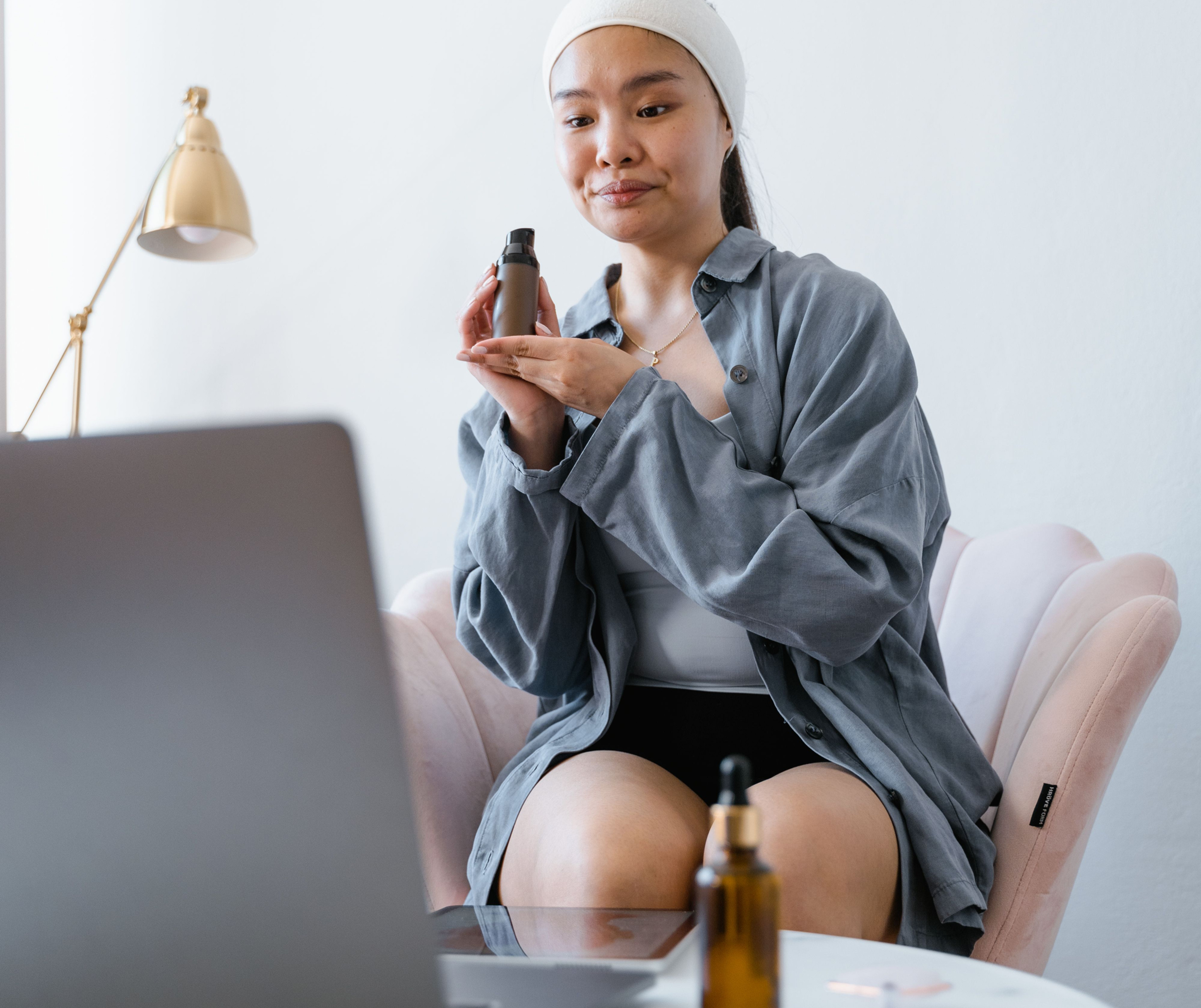
The fix is to earn trust with substantiated claims instead. Pair creators with legally reviewed ingredient education and honest, real-use demonstrations, and keep anyone who looks like a clinician out of the frame.
3. Letting KOLs Make Treatment or Results Claims
“This cleared my eczema” and “clear skin in 2 days” are the lines that sink a campaign. Individual skin responses vary, and regulators treat these as medical or absolute claims.
Malaysia’s NPRA lists disease-related claims like eczema and psoriasis among serious violations, and repeated or serious breaches can end in cancellation of the product’s notification, which makes the product illegal to sell in Malaysia. In Indonesia, cosmetic promotion cannot present a product as medicine or as preventing a disease, per BPOM. In the Philippines, therapeutic claims can pull a cosmetic into stricter FDA health-product rules.
The fix is a two-list brief. Give creators an approved-claims list and a never-say list (cure, treat, heal, permanent, guaranteed, any named disease). Keep personal-experience statements modest, specific and true, and have legal review them.
4. Assuming the Creator Carries the Risk
When content breaks the rules, the brand answers for it. In Malaysia, cosmetic ads need no prior approval and the notification holder bears full responsibility for compliance. Campaign Asia’s investigation adds that TikTok positions itself as a delivery channel, and platform terms typically make brands indemnify the platform against creator claims.

Picture a creator who tells followers a serum will “cure acne” or “permanently remove pigmentation”. Even if she said it unprompted, the brand can still face consequences for misleading or non-compliant advertising.
The fix is to put compliance into the contract. Require approved claims, written pre-publication review, a takedown window, and archived screenshots of every live post. NPRA’s own advice to notification holders about distributors (written prior approval, active monitoring) is a sound model for creator agreements.
5. Skipping Disclosure on Paid and Gifted Partnerships
Gifted is not “free of rules”. A common mistake is assuming gifted collaborations do not need disclosure. In Singapore, ASAS guidelines require influencers to disclose commercial relationships, and the onus sits with the marketer. Our guide to gifted influencer campaigns covers how to build this into outreach.
The fix is a four-step routine:
Require clear disclosure. Paid or gifted, the label must be visible, not buried in hashtags.
Share a claims guide. List approved benefits and flag anything that implies medical benefit or guaranteed results.
Review before publishing. Check accuracy, disclosure and market-specific compliance.
Monitor after going live. Make sure disclosures stay visible and claims have not been edited in.
Compliant Does Not Mean Low-Converting
The brands that win in Southeast Asia pair clean claims with hard tracking.
AnyMind’s report found performance-led influencer campaigns rose from 28% of APAC campaigns in 2023 to over 42% in 2025, with Singapore at 65%. Build attribution in from day one: unique codes, tracked affiliate links and UTM parameters per creator, so you can see which compliant content actually drives checkout.
For the full process, see How Buzzinly Builds UGC Communities.

The Bottom Line
One playbook is the costliest KOL mistake in beauty. Know each market’s rules, keep doctors and medical claims out of creator content, put compliance in the contract, disclose every partnership, and measure sales.
People Also Ask
Can doctors endorse skincare products in Malaysia?
No. NPRA does not allow doctors, pharmacists or dentists to use professional titles and white coats to endorse or promote notified cosmetics. A doctor giving general science advice is also not allowed if the product appears in the same video, caption or live pitch.
Are brands responsible for what KOLs say about skincare?
Often, yes. In Malaysia the cosmetic notification holder bears full responsibility for advertising compliance, and Campaign Asia’s investigation found brands carry most of the regulatory and commercial fallout in livestream commerce. Put approved claims and review rights in every creator contract.
Do gifted posts need disclosure in Singapore?
Yes. ASAS guidelines require disclosure of commercial relationships between brands and influencers, and the onus is on the marketer. Treat gifted products as a commercial relationship and brief creators accordingly.
What is the difference between a KOL and an influencer?
KOLs are usually recognised for expertise or authority in a field, while influencers build reach through content and engagement. In beauty the two overlap, so judge each creator on credibility and audience fit, not the label.
How do beauty brands choose the right creators for KOL Campaigns in Southeast Asia?
Look at audience demographics, engagement quality, content relevance, credibility and brand fit, not follower count alone. For Southeast Asia, also check local audience reach and the creator’s track record with market-specific claims rules.
How should beauty brands measure KOL campaign success?
Track conversions and return on investment, not just reach and likes. Use unique codes, affiliate links and UTM parameters per creator so each sale traces back to the content that drove it.
Which platforms work best for beauty marketing in Southeast Asia?
It depends on the market. TikTok accounted for close to 51% of APAC influencer campaigns in AnyMind’s 2025 data, while Instagram and YouTube suit different formats and audiences. Validate platform usage in each country before you allocate budget.
Last updated: October 2026. Regulations change; confirm current rules with local counsel before launch.


